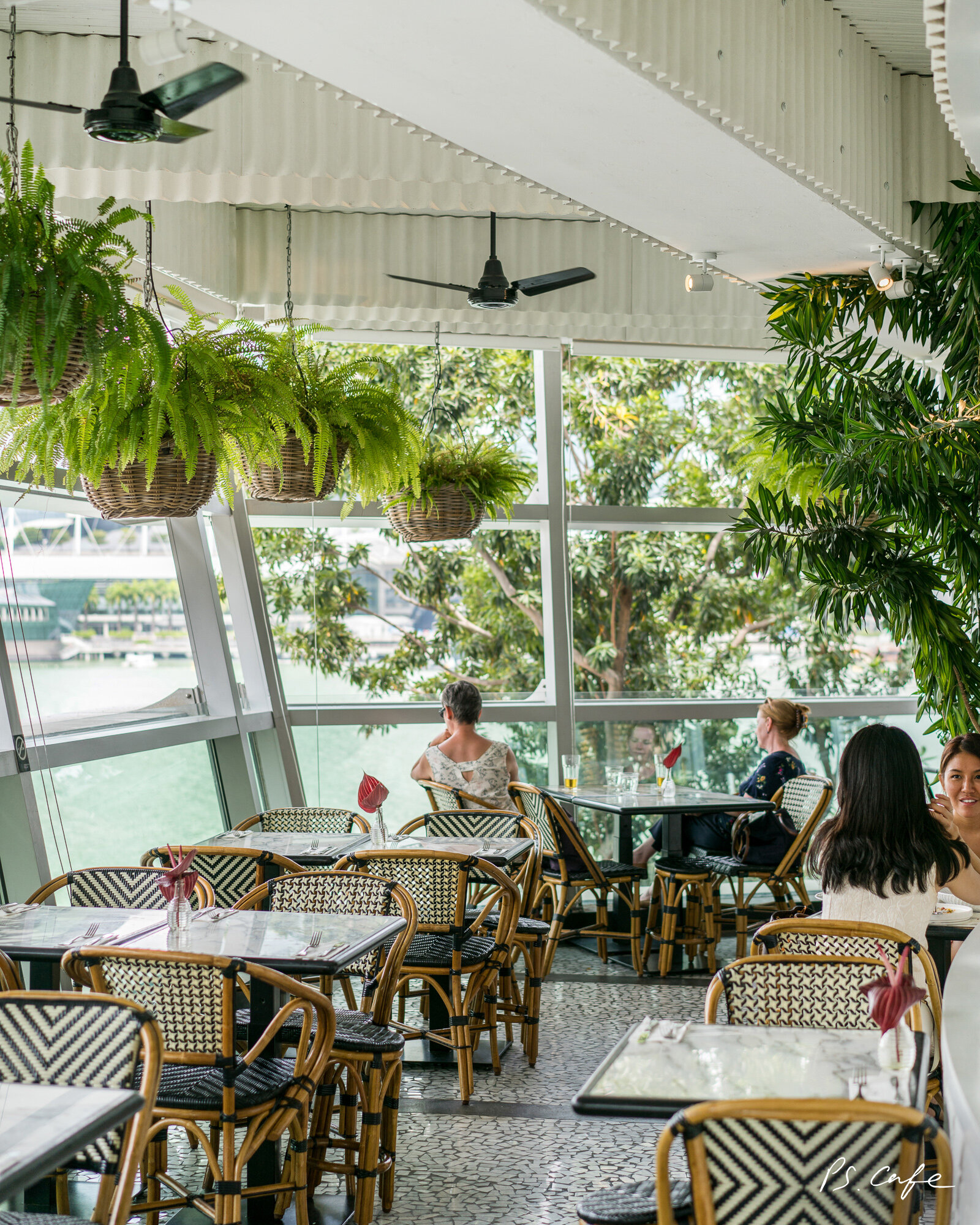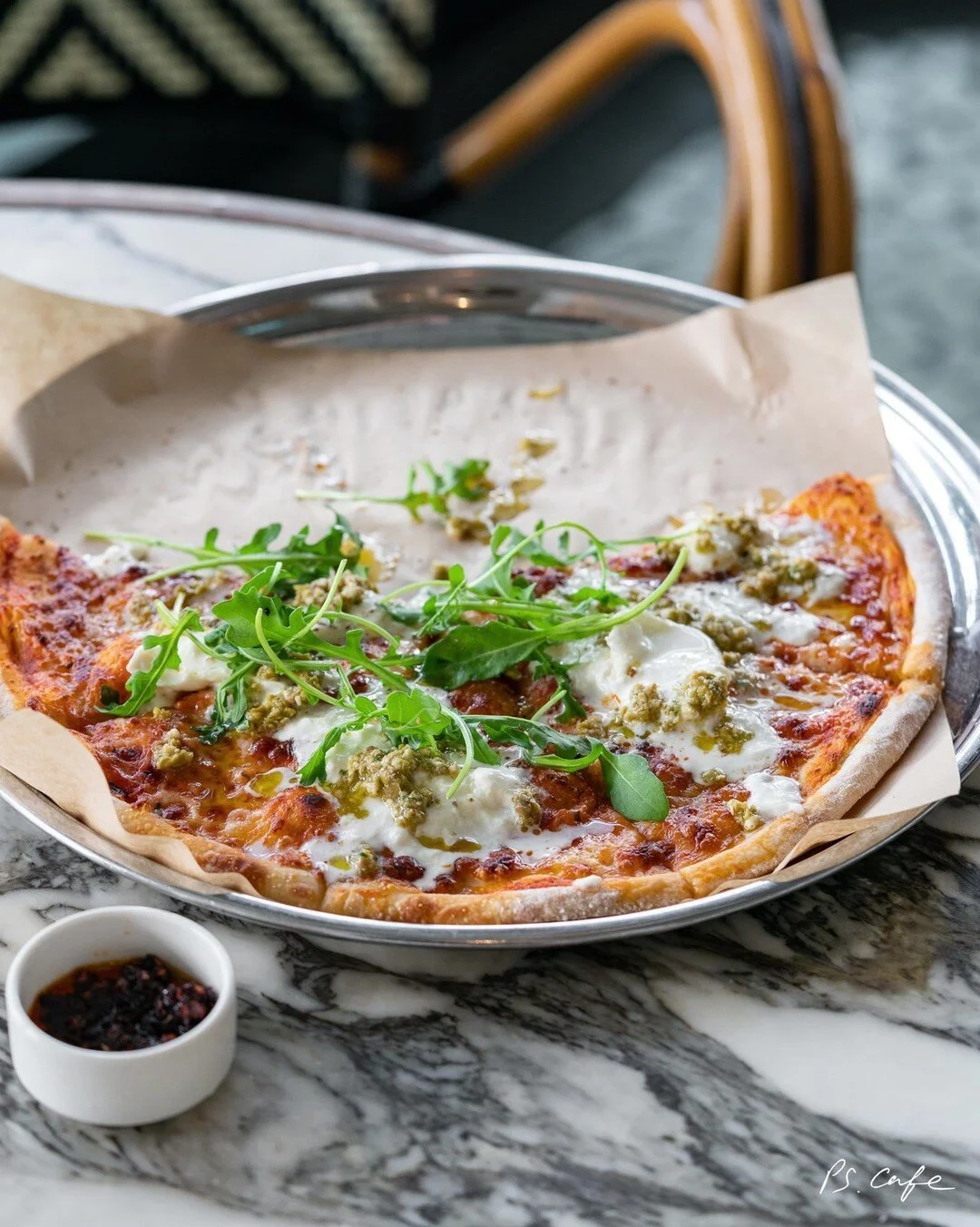
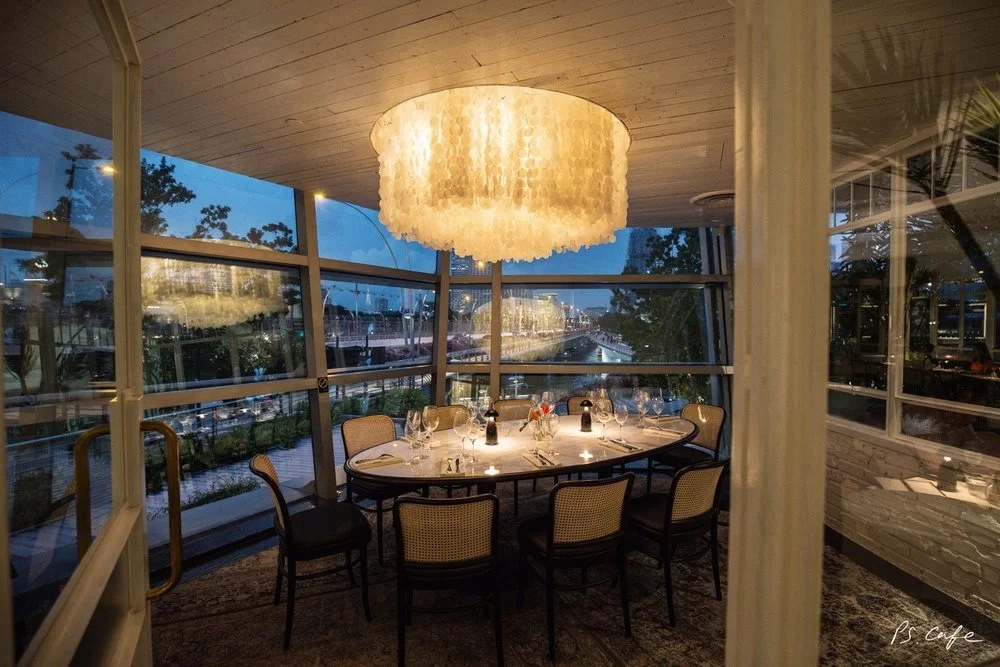
A well-planned private event in Singapore rarely betrays the effort that went into it. The room feels chosen rather than hired. Food arrives at the right moment. Guests settle in before the evening has properly started.
Good private event planning starts with clear thinking and early decisions, before the venue, menu, and finer details can fall into place. The occasions worth marking deserve that kind of attention: a birthday that feels genuinely celebratory, a solemnisation that carries the weight of the moment, a corporate dinner that doesn't feel like an obligation. Getting the foundations right is what makes the rest of it look effortless on the day of.
1. Define the Purpose and Scale
Knowing how to get started in event planning often comes down to one question: what are you marking, and for whom?
A birthday dinner for 20 close friends calls for a fundamentally different approach to a corporate dinner for 80. An engagement brunch is a different occasion from a late-night cocktail celebration.
Clarity here shapes every decision that follows: the format (plated courses, sharing-style, or cocktails), the tone (intimate and personal, or open and festive), and whether the event calls for a cafe with a private room or a larger open terrace. If children are attending, note it early. Guest composition often matters more than guest count.
2. Set a Realistic Budget and Timeline
A checklist approach to event planning works best when the major line items are confirmed early. Venue, food and beverage, décor, entertainment, and photography each carry their own lead times. At sought-after venues in Singapore, particularly in November and December, weekends fill up months in advance.
Allocate budget according to what genuinely matters to your guests. For private events, the atmosphere and food tend to outrank production spectacle. A well-dressed table in a beautiful room leaves a stronger impression than elaborate staging that the space can't quite carry.
3. Choose the Right Venue
The venue sets the ceiling on everything else. A room without inherent character costs more to animate; a space with genuine warmth carries the event largely on its own terms.
When weighing venue options, look beyond capacity. Consider natural light, acoustics, how the layout handles the flow from drinks through to dessert, and whether the service team has genuine event experience. For more intimate occasions, a private dining room often outperforms a larger, emptier space.
PS.Cafe operates as a cafe with event space, offering rooms across multiple Singapore locations suited to different scales and styles. For solemnisation ceremonies and smaller receptions, the atmosphere sits between formal and relaxed in a way that a traditional banquet hall rarely does.
4. Curate the Menu and Catering Style
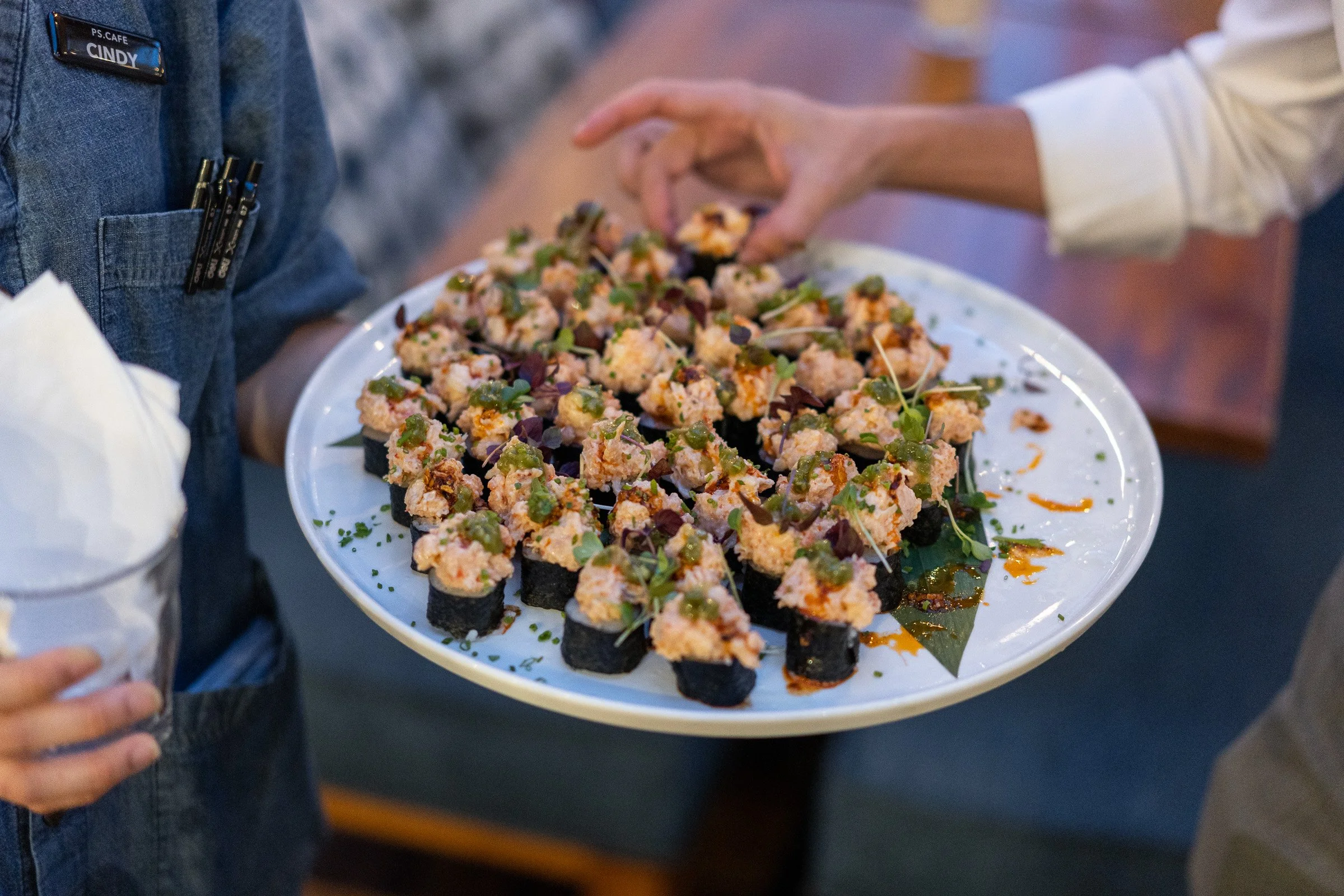
Food sets the rhythm of the evening. Plated dinners create structure and cadence; grazing-style formats invite movement and conversation. On the other hand, cocktail-style catering works for events where energy needs to stay fluid throughout.
Build the format around your guests, not a default package. Corporate groups often benefit from seated service. Family events with a mixed age range may call for something more relaxed and varied. PS.Cafe's kitchen teams design menus around the event format, which means dietary requirements, cultural preferences, and lighter children's options can be accommodated without compromise.
5. Plan the Décor and Styling Details
The most considered events tend to work with a space rather than against it. Restraint reads as sophistication; excess rarely does.
For instance, PS.Cafe's interiors carry their own warmth: greenery, thoughtful lighting, and architecturally interesting rooms that don't need to be dressed from scratch. Florals, candles, custom menus, and personalised name cards can carry a theme without overwhelming it. For more specific concepts, the events team can advise on what complements the space and what would compete with it.
6. Arrange Entertainment and Guest Engagement
The best entertainment disappears into the evening rather than interrupting it. Acoustic sets work well during pre-dinner drinks. A live calligrapher near the entrance doubles as both activity and atmosphere. A short pairing game or quiz between courses suits corporate groups and celebratory gatherings alike.
Design around your guests' thresholds. Not everyone wants to be drawn into a performance, but most will engage naturally when the format is light and the setting is warm.
7. Manage the Logistics
Successful event planning often comes down to how well this final layer is handled. Some tips include confirming run-of-show timelines, coordinating suppliers with the venue's events team, and ensuring the space is set to specification before guests arrive.
Personalised invitations, custom name cards, and printed menus take time but register quietly on the night in ways guests notice. PS.Cafe's events team manages venue-side coordination, significantly reducing the day-of burden and allowing the host to be in the room rather than running it.
Bringing It All Together at PS.Cafe
A private event done well doesn't feel planned. The room feels right from the first moment. The food arrives without drama. The evening finds its own pace, and guests leave with the impression that it all came together effortlessly.
PS.Cafe brings together adaptable spaces, menus shaped for each occasion, and a service team that quietly works in the background so everything in front of it feels right. Whether the occasion calls for intimate cafes for birthday celebrations or a larger corporate dinner, the venues are built to host each kind of event without the experience feeling generic. For anyone looking for an event venue for celebrations in Singapore that earns its atmosphere rather than borrowing it, enquire at pscafe.com.